
The film is unavailable. You can read what it shows below.
The film: the practice set in 25 seconds, on an illustrative example. Questions only. You supply the answers.
What the film shows, in words
- What might they ask you?
- Seven themes. Fourteen questions.
- Four are built from your own words.
- “You claim that fees matter less than trust in agents. What is new about that?” Your answer, aloud.
- Change the design: the methods question changes to “How did you decide you had enough interviews?”
- Questions only. The answers are yours.
When a card changes, one question turns to follow it
Fourteen questions, seven themes. Four are aimed at what you wrote.
Four lines cross the table, each from a question to the card it is built from. The other ten are asked of any thesis and cross to no card.
ExampleWorked example: a mixed-methods thesis on mobile money and traders. Nothing is saved or sent.
Step 1 of 4
ContributionQuestion 3 of 14Built from your contribution
Was
You claim that fees matter less than trust in agents. What is new about that?
Your answer, aloud.
Topic
mobile money use among market traders
Design
Mixed methods
Your main contribution
Fees matter less than trust in agents
Your biggest limitation
One city only
14 practice questions in 7 themesFour built from your wordsTen asked of any thesis
Questions only. Your answers must be your own; practising them aloud is the point.
Now your thesis, on four cards.
Write on the four cards at the near edge of the table. Four of the fourteen questions are built from what you write on the cards. The other ten are the same for every thesis. Choose a theme on the far edge, read the question in the middle, and answer it aloud.
LiveQuestions only. Your answers must be your own; practising them aloud is the point.
The whole set, as textBuilt from your wordsAsked of any thesis
Practice questions
Opening
- Summarise your thesis on mobile money use among market traders in five minutes.
- Why did you choose this topic?
Contribution
- You claim that fees matter less than trust in agents. What is new about that?
- Who should change what they do because of your findings?
Literature
- Which two studies is your work closest to, and how does it differ?
- What did you leave out of the review, and why?
Methods
- How did you integrate the quantitative and qualitative strands?
- What would you do differently with the same time and money?
Findings
- Which finding surprised you most?
- Which result are you least sure of, and why?
Limitations
- How does one city only affect what you can claim?
- What would a sceptical reader say about your conclusions?
Future
- What is the next study that should follow yours?
- What will you publish from this thesis first?
Reflection checklist
- Can you state your contribution in one sentence?
- Do you know your data well enough to explain any table without notes?
- Have you practised aloud, timed, with someone asking follow-ups?
- Have you re-read the thesis in the last two weeks?
Questions only. Your answers must be your own; practising them aloud is the point.
Your set, as it standsYour organisation
Practice questions
The four built from your words
- OpeningSummarise your thesis on mobile money use among market traders in five minutes.Built from your topic
- ContributionYou claim that fees matter less than trust in agents. What is new about that?Built from your contribution
- MethodsHow did you integrate the quantitative and qualitative strands?Built from your design
- LimitationsHow does one city only affect what you can claim?Built from your limitation
And ten asked of any thesis, then the reflection checklist of four.
- Topic
- mobile money use among market traders
- Questions
- 14
- Design
- Mixed methods
Questions and a checklist, nothing else: no answers, no score, and nobody has read or assessed your thesis.
Your dated checklist
Viva practice question set and reflection checklist, by email once delivery is connected.
Viva practice question set and reflection checklist (PDF)
Tool: Viva practice
Result: 14 practice questions
Request: please arrange a mock viva (SVC-172).
Send as a brief
How it works, and its limits.
The seven themes and their questions are fixed. Four of the fourteen questions are built from what you write on the cards. The other ten are the same for every thesis. The tool reads nothing you have written beyond the four cards, and it does not know your examiners.
Examiners ask what they ask; practise flexibility, not scripts.
Method
- 01
Seven common viva themes, each with questions tailored from your topic, design, contribution and limitation.
- 02
Methods questions change with your design.
- 03
A reflection checklist closes the set.
What it cannot tell you
- Examiners ask what they ask; practise flexibility, not scripts.
- Questions only: no answers are provided.
- Your supervisor knows your examiners’ expectations best.
Quality ruleQuestions only; student supplies their own answers.
When practice needs a person
A page cannot ask a follow-up question.
The tool’s own checklist asks whether you have practised aloud with someone asking follow-ups. Who that is, is yours to choose: a supervisor, a colleague, a coach. Our coaching is feedback only: the student writes every word, coaching is not supervision, and no outcome is promised.
-
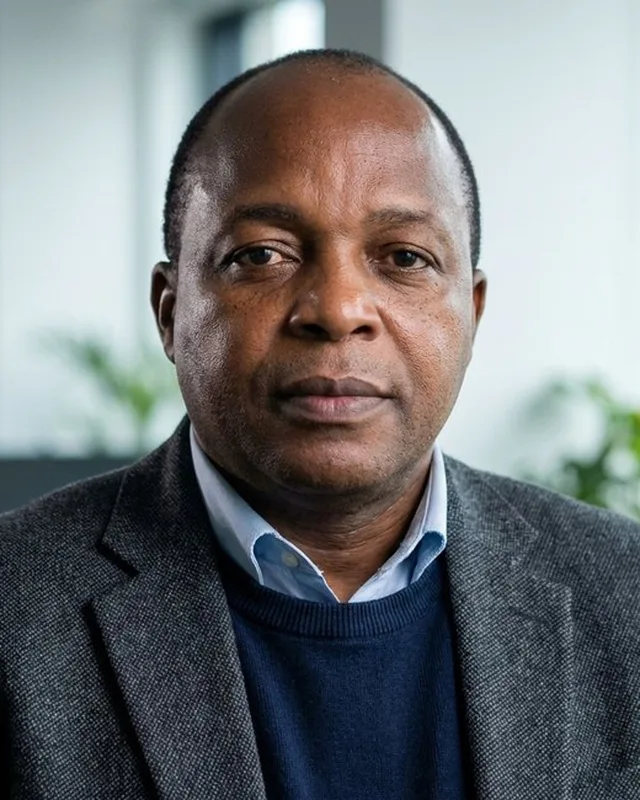
Prof. Wisdom GagakumaTool owner
Book the Professor · from USD 150 -
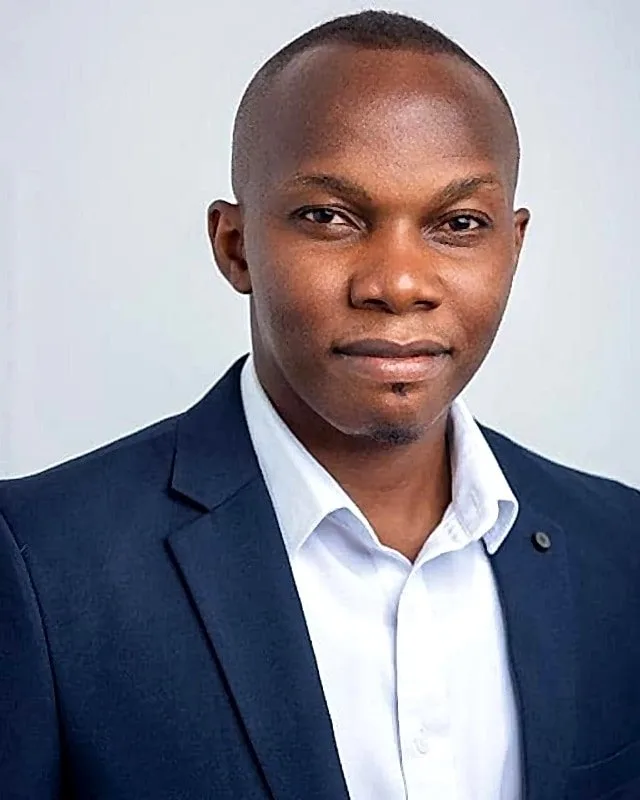
Michael GagakumaTool owner
Book Michael · from USD 90
Also in this practice
What needs to move forward?
Tell us the decision, the challenge or the opportunity. We reply with a scoped approach, a named principal and a fee before any work begins.
No charge to submit an enquiry.