

Practice 11 of 11
Research supervision, academic coaching & publication support the researcher remains the author
Thesis coaching, methods and statistics support, academic editing without authorship, publication support, research-grant proposals, bootcamps and institutional research capacity.
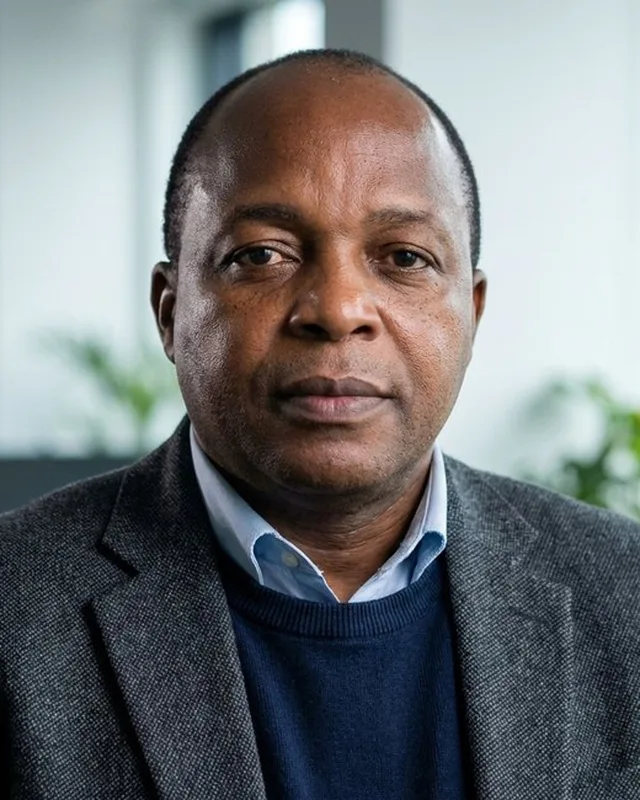
Discuss a projectLed byProf. Wisdom Gagakuma and Michael Gagakuma 7 services 9 free tools
The practice
Thesis coaching, methods and statistics support, academic editing without authorship, publication support, research-grant proposals, bootcamps and institutional research capacity. Every service is declared and ethical.

When organisations call us, and where we stop.
The situations this practice exists for, and the lines we do not cross.
When to call
- A student is stuck on the question, methods or structure
- An academic wants to publish from a thesis
- An institution needs supervision or research-office capacity
- A research team is preparing a funding proposal
Our boundaries
- We never write, rewrite or ghostwrite assessed work.
- All assistance is declared as the institution requires.
- Publication cannot be guaranteed, and we avoid predatory journals.
Services in this practice.
Each one starts with a defined first scope and a fixed fee agreed in writing.
- 11.01 Thesis and dissertation coachingCoaching for master’s, doctoral and executive-programme researchers, from topic to viva. You write every word; we help you think, plan and improve, and our assistance is declared.
- 11.02 Research methods and statistics supportHelp with research design, quantitative and qualitative methods and statistics, so you understand and can defend every choice. The analysis is yours, and the assistance is declared.
- 11.03 Academic editing, formatting and referencingEditing for language, structure, style, formatting and referencing, within the limits your institution permits. We never add to or change your ideas, arguments or findings.
- 11.04 Publication supportGuidance on turning your thesis into an article, choosing a suitable journal and responding to peer review. You remain the author, and our help is acknowledged as the journal requires.
- 11.05 Research-grant proposalsSupport for research funding proposals from academics and institutions: fit, design, budget logic and review. Assessed student proposals receive coaching only, never authored submissions.
- 11.06 Research-methods bootcamps and supervisor trainingPractical bootcamps for doctoral schools, universities and professional bodies, and training that helps supervisors guide researchers well, with outcomes assessed.
- 11.07 Institutional research capacityExternal supervision and examining capacity, research-office set-up and publication strategy for institutions building their research function. The researcher remains the author throughout.
How the work runs.
Question, then design, then researcher-led work, then feedback, then declared assistance. Each stage ends in something you review.
Stage 1 of 5
Question
Clarify the researcher’s own question.
Review pointQuestion stated by the researcher.
Stage 2 of 5
Design
Plan the design with the researcher.
Review pointDesign choices explained.
Stage 3 of 5
Researcher-led work
The researcher does the work.
Review pointWork done by the researcher.
Stage 4 of 5
Feedback
We give feedback as questions and comments.
Review pointFeedback given, never replacement text.
Stage 5 of 5
Declared assistance
The assistance is declared.
Review pointDeclaration completed.
Try the method before you buy.
Free working tools from this practice. Results on screen straight away; the full report by email if you want it.
 Free tool
 Research question generator
Describe your interest, setting, population and what data you can realistically reach. You get several ways to frame a research question for different purposes, each with feasibility prompts to test before you commit. They are starting points, not an assessed proposal.
Open the tool Free tool
 Research methodology decision aid
Answer what your question asks, what data you can reach and whether you can influence who gets what. The aid explains which designs fit and why, the assumptions each makes, and what analysis you will need to learn to do yourself.
Open the tool Free tool
 Research proposal checklist
Tick the sections your draft already has and set your word count. The checklist shows what is missing, gives questions to answer in each section yourself, and includes a declaration-of-assistance template for any help you receive.
Open the tool Free tool
 Reference list checker
Paste your reference list, one reference per line, and choose the style. The checker finds duplicates, missing years, inconsistent DOIs, page ranges and ordering. It never invents a DOI or source, and it is not a plagiarism check.
Open the tool Free tool
 Journal finder
List the journals you are considering, check each one’s details yourself at the source, and record what you find. The finder ranks them on scope fit, speed and cost, and screens each for warning signs of predatory publishing. It promises nothing about acceptance.
Open the tool Free tool
 University research capacity assessment
Assess your institution’s research function across supervision, ethics, the research office, outputs and integrity. You get a capacity profile, the supervision load in numbers and a gap register with the first action for each gap, without invented rankings.
Open the tool Free tool
 Literature review matrix
Break your question into concepts and synonyms to get database search strings, then log the sources you have actually read with their theme, method and your own summary. The matrix groups them by theme for an outline you write yourself. No citations are invented.
Open the tool Free tool
 Viva questions to practise
Enter your topic, design, contribution and limitations. You get a tailored set of practice questions an examiner might ask, grouped by theme, with a reflection checklist. The questions are prompts; the answers must be yours.
Open the tool Free tool
 Thesis timeline planner
Enter your degree, where you are now and your submission date. The planner lays out the remaining stages with milestone dates, including ethics and supervisor meetings, and flags a deadline that is too tight instead of silently squeezing the work.
Open the toolDocumented experience.
Roles held by our principals, each with its source. Demonstrations are labelled as demonstrations.
Individual experience of our principals, before or outside GKM Strategic Advisory & AI. Not GKM contracts.
See the proof collection: Academic research and coaching evidence
Who answers for the work

Who commissions this work
What needs to move forward?
Tell us the decision, the challenge or the opportunity. We reply with a scoped approach, a named principal and a fee before any work begins.
No charge to submit an enquiry.