

01 · Research, evidence & evaluation
Programme evaluation baseline, midterm and endline
We review your evaluation brief and evidence base, propose a method that fits the questions and the budget, and cost any fieldwork separately and transparently.
Tell us what you needEvaluations follow recognised criteria such as relevance, effectiveness, efficiency, impact and sustainability.
- Led by
- Michael Gagakuma and Prof. Wisdom Gagakuma
- Delivery
- Remote, and on site from Accra
- Fees
- Fixed fee, quoted to your scope
- Contracting
- GKM Legacy Holdings, Maryland
What you receive.
Documents you can use, each with its method and sources attached.
04in the pack
See a demonstration of the output: Specimen · Programme evaluation: baseline, midterm & endline
Evaluation design
Questions, criteria, method and sampling, matched to the budget.
Instruments
Surveys, interview guides and data protocols.
Evaluation report
Findings against each question, with evidence and limits.
Recommendations
Practical, prioritised and owned.
Who commissions this, and when.
Buyers and moments where this work pays for itself, and where it does not.
Who it is for
- UN agencies and EU-funded projects
- International NGOs and foundations
- Programme implementers facing a donor evaluation
- Government programme units
When to call us
- A baseline is due before implementation starts
- A midterm review must inform course correction
- An endline must show what changed and why
When it is not the answer
If the programme has no usable theory of change or indicators yet, an evaluation will struggle. We will recommend fixing the MEL framework first.

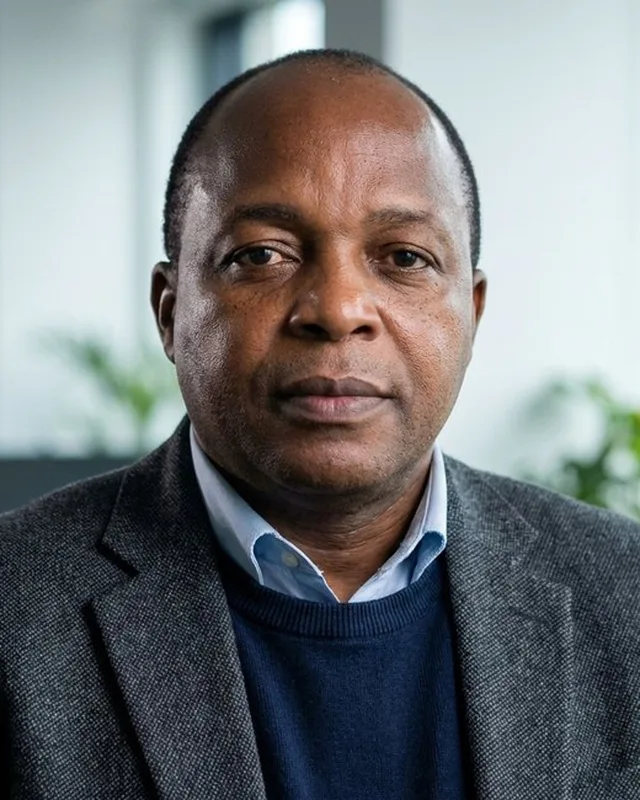
Led byMichael Gagakuma and Prof. Wisdom Gagakuma
- Contracting
- GKM Legacy Holdings, Maryland
- Consultation
- from USD 90
Scope and fees.
Fees are agreed in writing before work begins. Estimates are shown as estimates.
Fees
Fixed fee, quoted to your scope
Send a brief or book a short call. We reply with a written scope, dates and a fixed fee before any work begins.
What we need from you
- Terms of reference or evaluation brief
- Programme documents, logframe and monitoring data
- Access to staff, partners and participants
Not included unless agreed
- Large-scale fieldwork unless costed
- Enumerator recruitment beyond the agreed sample
- Travel beyond the agreed sites
How the work runs.
Each stage ends in something you review before the next begins.
Stage 1 of 5
Research question
Agree the evaluation questions and how the findings will be used.
Review pointThe question and the decision it serves, agreed in writing.
Stage 2 of 5
Method
Design the method, sample and instruments.
Review pointMethod note signed off before any collection.
Stage 3 of 5
Sources
Collect data, with consent and quality checks.
Review pointSource list and access confirmed.
Stage 4 of 5
Findings
Analyse against the criteria and draft findings.
Review pointDraft findings, each traced to its sources.
Stage 5 of 5
Decision
Validate with stakeholders and hand over the report and data.
Review pointDecision memo and data handed over.
Questions buyers ask.
Anything else: ask in a brief.
Do you follow OECD DAC criteria?
Yes, where the terms of reference ask for them, and adapted to the questions that matter to your programme.
Can you work within a consortium?
Yes, as the lead or as a specialist.
Who owns the data?
You do. Personal data is handled under the agreed protocol and shared only as agreed.
Related work
What needs to move forward?
Tell us the decision, the challenge or the opportunity. We reply with a scoped approach, a named principal and a fee before any work begins.
No charge to submit an enquiry.